How we check
Every action on this site is one thing government actually did: a law, an executive order, a rule, a budget item, a program, or a local ordinance. We don't include proposals, bills that passed only one chamber, or ceremonial resolutions. If it isn't enacted, signed, funded, or ordered, it isn't here.
Where entries come from
Wherever possible we start from official data instead of searching the web: enacted laws from Congress.gov, the Federal Register, state legislative records, city council records, and official press releases. Legislator rosters come from the public-domain congress-legislators project and from Open States.
Two models from two companies
An AI model drafts each entry against our content guide: plain-language headline, who benefits, the numbers, who made it happen, the vote, the current status, and sources. A model from a different company then checks every claim against those sources. If Claude (Anthropic) wrote it, GPT (OpenAI) checks it, and the other way around. The checker can pass the entry, correct it, or fail it. Failed entries don't appear on the site.
Each entry's page says which models wrote and checked it, and when. Right now 224 of 224entries have had their second check. Entries still waiting say so.
Credit where it's due
We name the people who made each action happen and show their party. When Republicans deliver something good for people, we say so just as plainly as we do for Democrats. For legislation, we show the official roll call broken down by party.
Status changes
Laws get repealed, programs get defunded, and courts block rules. Every entry shows its status as of the date we last checked, and when something is under threat or has ended, we say who did it and link the evidence.
Corrections
If something is wrong or missing, send a correction. Retracted entries are removed and won't be re-added automatically.
Faces
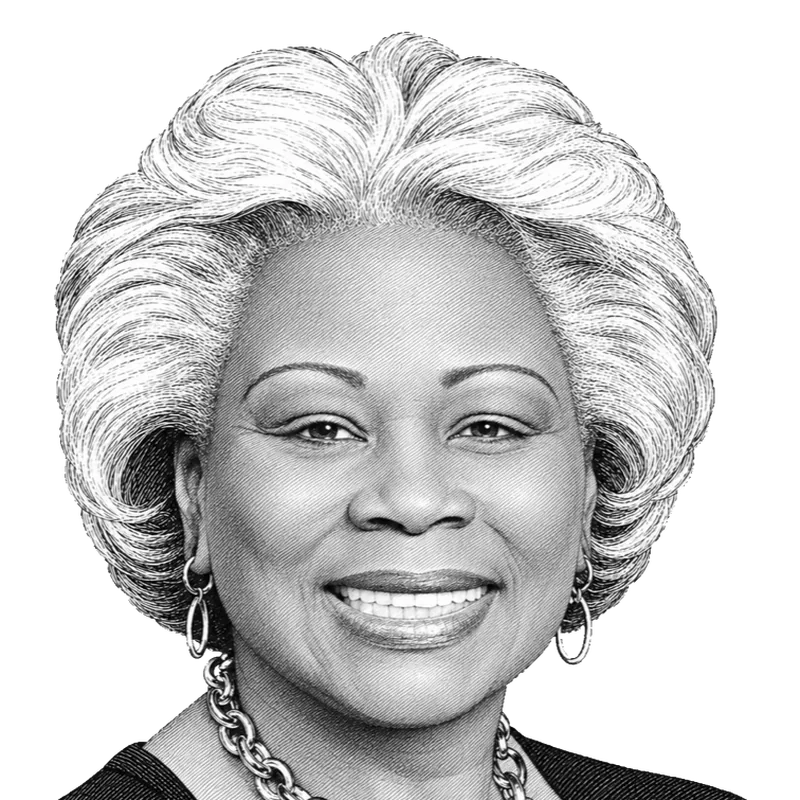
Each action leads with the person who did the work, drawn in ink from a real photo of them. The drawing keeps their real likeness and coloring and is always plainly a drawing. Each drawing links to the page where its photo was published, so you can see the original there. We don't republish the photos. We say "official portrait" only for official government portraits. When we have no photo of someone, we show their initials. When a board or council did the work, we show its name. We never invent a face.
Your address
When you look up your address, your browser sends it directly to the U.S. Census Bureau's public geocoder to find your districts. It never reaches our servers, and we don't store it.