What it means for you
Starting July 2027, covered Virginia workers will earn one hour of paid sick leave for every 30 hours they work, up to 40 hours a year. Large employers go first; by January 2029, covered employers of every size are included.
Who benefits: Most full- and part-time workers at Virginia's private employers and at state and local governments; nearly 1.2 million private-sector workers lacked paid sick leave in a 2021 estimate, though not all are covered.
Starting in 2027, most Virginia workers will earn paid sick time just by working. You get one hour for every 30 hours you work, up to 40 hours a year, which is about five days. Part-time workers earn it too, although certain health-care and railroad workers are exempt. You can use it when you’re sick, for checkups, to care for a sick family member, or to deal with domestic violence, sexual assault, or stalking. You’re paid your regular rate, and your boss can’t make you find someone to cover your shift. Unused hours carry over to the next year.
You don’t have to apply. Employers whose existing paid-leave policies meet the law’s amount, uses, and conditions don’t have to add separate sick leave. The law starts with employers that have 50 or more workers on July 1, 2027. Employers with 25 or more follow in January 2028, and covered employers of every size are included by January 2029. Before this, Virginia required paid sick leave only for certain home health workers.
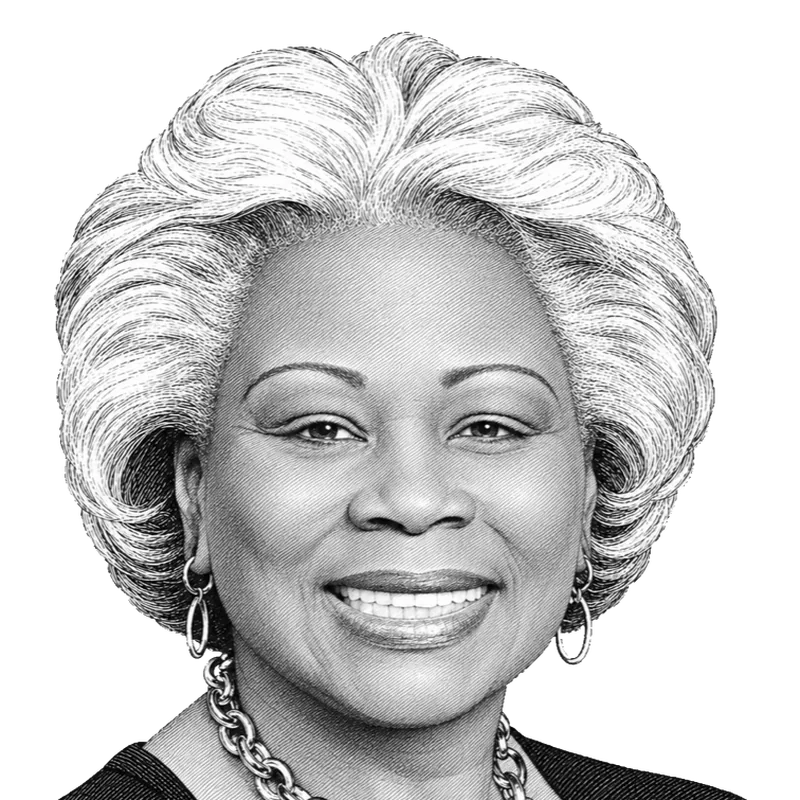
Del. Kelly Convirs-Fowler of Virginia Beach carried HB 5, and Sen. Barbara Favola carried the matching Senate bill, which she had pushed for three years. Earlier versions failed in 2020 under Gov. Ralph Northam, and Gov. Glenn Youngkin didn’t sign later ones. This time the House passed the bill 63–35, over objections from business groups. Gov. Abigail Spanberger signed it on May 20, 2026, after lawmakers rejected her proposed changes.
Work and wagesHealth care
Where it stands, and how we know
Source for this status, checked November 11, 2026.
Sources
- Governor Spanberger Signs Landmark Legislation Expanding Paid Sick Leave to All Virginia WorkersOffice of the Governor of Virginia, May 20, 2026
- HB 5, Employment; paid sick leave, civil penaltiesVirginia Legislative Information System
- Virginia's new Paid Sick Leave law creates a statewide paid sick leave program for Virginia workersVirginia Department of Labor and Industry, November 1, 2026
- Spanberger signs mandatory paid sick leave into lawVPM, May 26, 2026
- Virginia Expands Paid Sick Leave Program to Cover Most EmployeesGroom Law Group
- Paid sick leave bill passes Virginia House of DelegatesWHRO, February 17, 2026
- Advocates celebrate historic win for workers and their families as paid sick day bill becomes law in VirginiaVirginia Interfaith Center for Public Policy, May 20, 2026
How we checked this
Drafted by Claude Opus 5.5 (Anthropic) on November 11, 2026. Checked against its sources by GPT-5.6-sol (OpenAI) on November 11, 2026, which corrected it. Confirmed enactment, patrons, the cited House vote, benefits, and current rulemaking. Narrowed the coverage and 1.2 million estimate, clarified the existing-leave exemption, and updated the status from Virginia DOLI’s November rulemaking notice.
Spot a mistake? Send a correction and we'll fix it.