What it means for you
A 2019 law kept the September 11th Victim Compensation Fund open until October 2090 and funded it through 2092. It also ended cuts of up to 70% that the fund had made to awards when it began running out of money.
Who benefits: First responders, recovery and construction workers, residents, students, and others who got sick from exposure after the 9/11 attacks, plus the families of those who died; the fund has paid more than 71,000 claimants since 2011.
If you got sick from the dust and smoke after the September 11 attacks, or lost a family member to a 9/11-related illness, you may be able to seek compensation from the federal September 11th Victim Compensation Fund. It covers first responders, construction and cleanup workers, people who lived, worked, or went to school in the fund’s lower-Manhattan exposure zone, and people who were at the Pentagon or Shanksville crash sites during the covered periods. This law moved the claim-filing deadline from December 2020 to October 1, 2090, and funds the program through 2092. You must register with the fund by the deadline for your circumstances, then file a complete claim after your condition is certified.
By early 2019, the fund was running low on money and had started cutting new awards by up to 70%. The law required the fund to repay the difference, and nearly 1,700 people whose awards had been cut were restored to the full amount. It also lets the income limit used to calculate lost-wage awards rise with inflation.
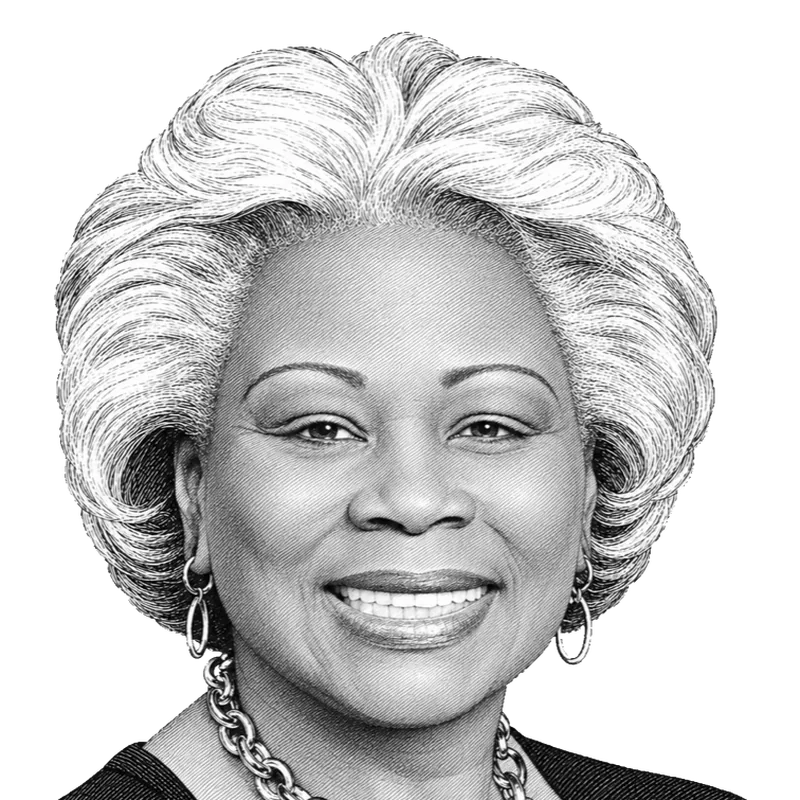
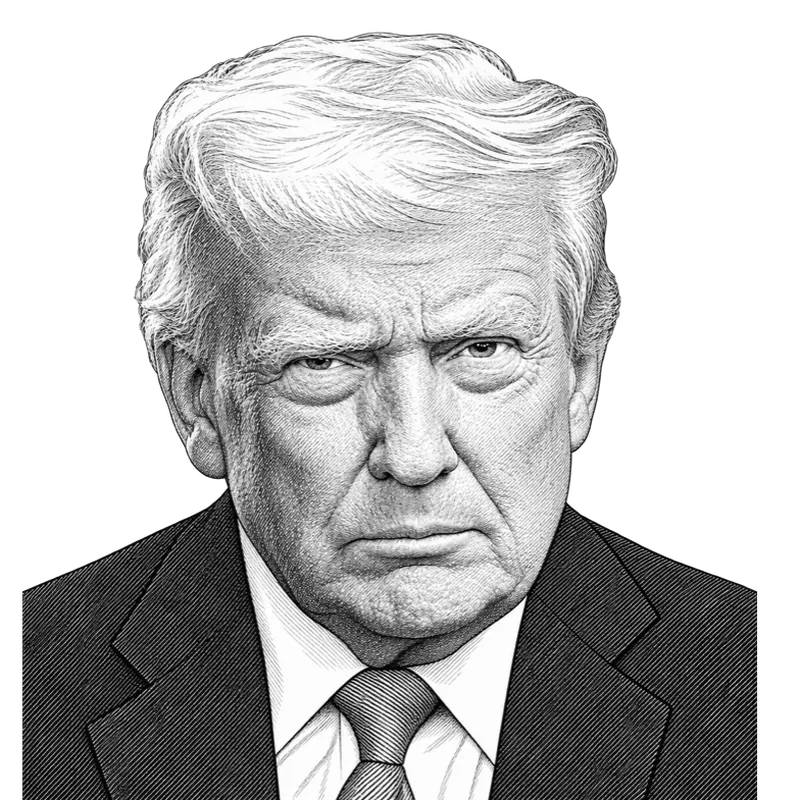
Rep. Carolyn Maloney wrote the bill with Reps. Jerry Nadler and Peter King. Sen. Kirsten Gillibrand carried it in the Senate with Sen. Cory Gardner. Jon Stewart and sick responders lobbied for it, including retired NYPD detective Luis Alvarez, who testified weeks before he died. The bill passed the House 402–12 and the Senate 97–2, and President Donald Trump signed it on July 29, 2019. Congress exempted its cost from budget-offset rules, so no services were cut to pay for it.
Health careWork and wagesSafety
Sources
- Public Law 116-34U.S. Government Publishing Office, July 29, 2019
- Special Master's message on the VCF permanent reauthorizationSeptember 11th Victim Compensation Fund, July 29, 2019
- VCF 2019 Annual ReportSeptember 11th Victim Compensation Fund
- VCF 2025 Annual ReportSeptember 11th Victim Compensation Fund
- Section 1 — Eligibility Criteria and DeadlinesSeptember 11th Victim Compensation Fund, November 2, 2026
- Trump signs bill ensuring 9/11 victims fund will never run out of moneyNBC News, July 29, 2019
- President Trump signs bill extending 9/11 Victim Compensation Fund through 2092CBS New York, July 29, 2019
- Senators Gillibrand, Gardner, Schumer and Representatives Maloney, Nadler, King introduce bipartisan bill to permanently reauthorize and fund VCFOffice of Sen. Kirsten Gillibrand, October 12, 2018
- Gillibrand statement on House passage of bipartisan 9/11 Victim Compensation Fund billOffice of Sen. Kirsten Gillibrand, July 12, 2019
- Pelosi remarks at bill enrollment ceremony for the Never Forget the Heroes ActOffice of Speaker Nancy Pelosi, July 24, 2019
- Roll Call 474, H.R. 1327Office of the Clerk, U.S. House of Representatives, July 12, 2019
- Roll Call Vote 116th Congress, 1st Session, Vote 224U.S. Senate, July 23, 2019
How we checked this
Drafted by Claude Opus 5.5 (Anthropic) on November 11, 2026. Checked against its sources by GPT-5.6-sol (OpenAI) on November 11, 2026, which corrected it. Confirmed the law, current status, award totals, credited roles, and both official roll calls. Clarified the registration and location rules and corrected the restored-award count to “nearly 1,700.”
Spot a mistake? Send a correction and we'll fix it.