What it means for you
Starting in mid-2023, the SAVE repayment plan protected more of borrowers' income from their payment and stopped charging the interest a payment didn't cover. By March 2024, 4.3 million borrowers owed $0 a month. Courts and a 2025 settlement have since ended the plan.
Who benefits: Federal student loan borrowers who enrolled in SAVE; 7.5 million were enrolled by March 2024, according to the White House.
SAVE was an income-driven repayment plan for federal student loans, so payments followed your income and family size, not how much you owed. Starting in July 2023, the plan shielded income up to 225% of the poverty line from your payment, up from 150%. That meant many lower-income borrowers owed nothing each month. If your payment didn’t cover the month’s interest, the leftover interest was dropped, so your balance couldn’t grow as long as you kept paying.
The plan replaced an older one called REPAYE, and other borrowers could switch in by applying. By March 2024, 7.5 million people had enrolled, and 4.3 million of them had a $0 payment. The rule also promised faster forgiveness: borrowers whose loans originally totaled $12,000 or less could have the rest cancelled after 10 years of payments. Payments on undergraduate loans were set to drop from 10% to 5% of discretionary income in July 2024.
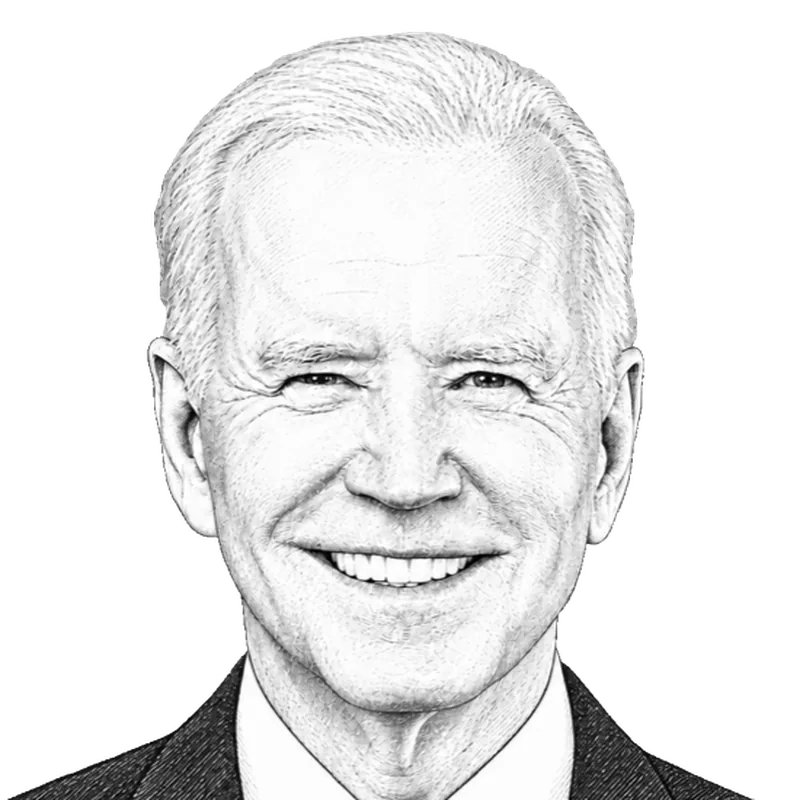
President Joe Biden’s administration created the plan through a rule signed by Education Secretary Miguel Cardona. Missouri and six other Republican-led states sued, and in August 2024 a federal appeals court blocked the plan, leaving enrolled borrowers in limbo. In December 2025, the Trump administration agreed with Missouri to end SAVE, and in March 2026 the appeals court ordered that deal entered. More than 7 million borrowers now have to move to other plans.
SchoolsLower costs
Where it stands, and how we know
Behind the effort to end it: U.S. Department of Education.
Source for this status, checked November 11, 2026.
Sources
- Improving Income Driven Repayment for the William D. Ford Federal Direct Loan Program and the FFEL ProgramFederal Register, July 10, 2023
- Final rule text, FR Doc. 2023-13112GovInfo, U.S. Government Publishing Office, July 10, 2023
- Fact sheet: President Biden is taking action to lower costs for families and fight corporate rip-offsThe White House (archived), March 7, 2024
- 8th Circuit injunction leaves only the most expensive student-loan-repayment options availableThe Washington Post, via ABA Journal, February 28, 2025
- Trump administration announces deal to end key Biden-era student loan repayment programNBC News, December 9, 2025
- Eighth Circuit orders lower court to approve settlement ending SAVEStudent Borrower Protection Center (Protect Borrowers), March 9, 2026
- The SAVE plan is gone. Here's what student loan borrowers need to do next.Yahoo Finance, June 25, 2026
How we checked this
Drafted by Claude Opus 5.5 (Anthropic) on November 11, 2026. Checked against its sources by GPT-5.6-sol (OpenAI) on November 11, 2026, with no problems found. Confirmed the rule’s terms and dates, enrollment figures, credited officials, litigation and settlement timeline, and current borrower transition against government and court records.
Spot a mistake? Send a correction and we'll fix it.