What it means for you
Federal rules set a June 2021 deadline for phone companies to authenticate caller ID on internet-based networks, with some extensions and no added line-item charge on your bill. The law also lets the FCC add up to $10,000 per call for intentional robocall violations.
Who benefits: Phone customers across the U.S. Carriers can't add a line-item charge to the bills of consumers and small businesses for the call-verification technology.
Scammers often fake the number on your caller ID so a robocall looks like it comes from your bank, a government office, or a local number. The law made phone companies use STIR/SHAKEN on their internet-based networks. It sends signed information showing whether the caller’s provider verified the customer’s right to use the displayed number; it does not prove the caller is trustworthy. Most covered providers had to comply by June 30, 2021, though some had later deadlines. Older, non-internet portions still have an extension while carriers work on authentication and robocall mitigation. In 2026, the FCC proposed more steps to close remaining loopholes.
You don’t need to sign up. Carriers can’t add an extra line-item charge to consumer or small-business bills for required call authentication. Robocall-blocking services must offer a way to correct mistakes, with no extra line-item charge to consumers and no extra charge to callers for resolving complaints. The law also lets the FCC add up to $10,000 per call to other penalties for intentional violations of federal robocall rules. It gives the FCC four years, rather than one, to pursue intentional violations.
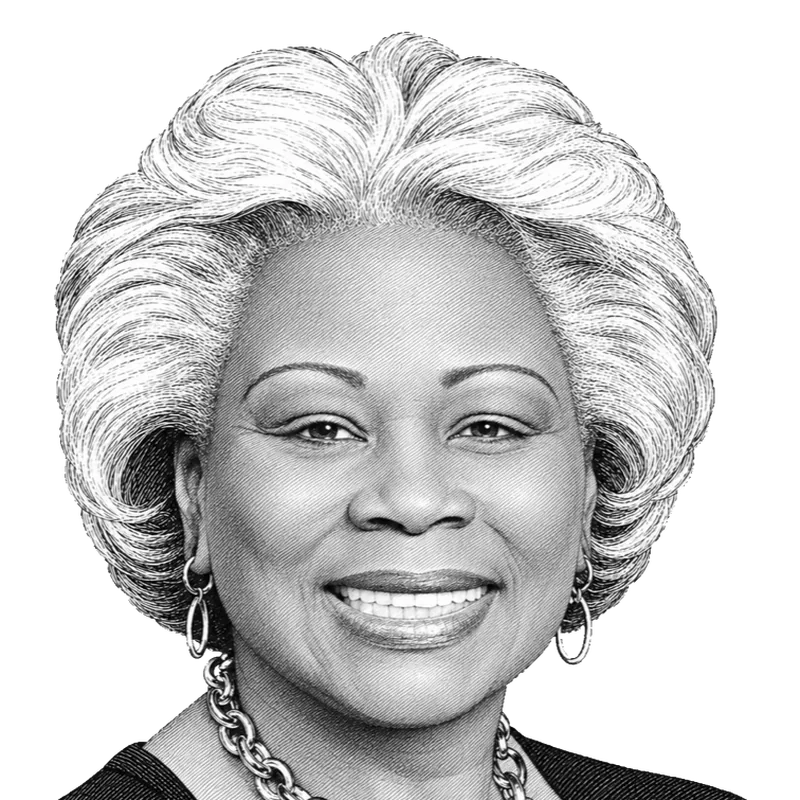
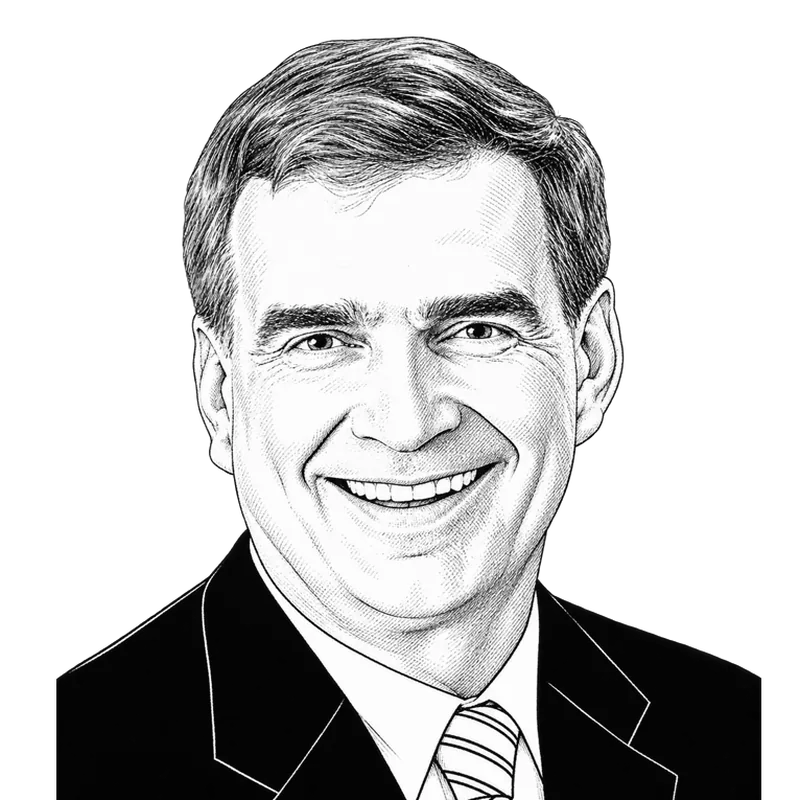
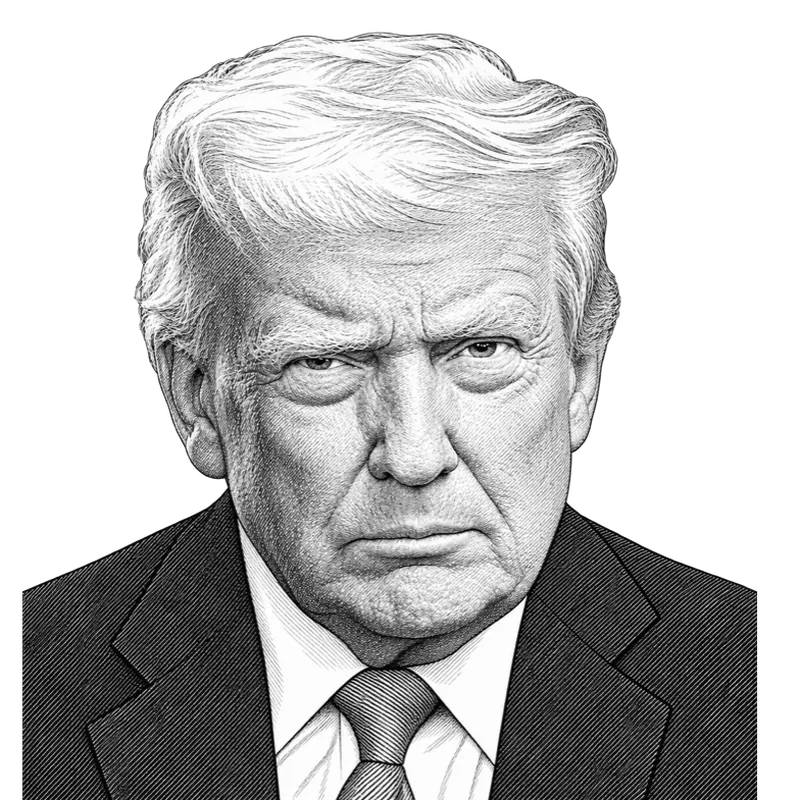
Sens. John Thune, a Republican, and Ed Markey, a Democrat, wrote and introduced the Senate bill in January 2019. Frank Pallone led the House bill, then negotiated the compromise with Thune, Markey, Greg Walden, Mike Doyle, and Bob Latta. The Senate passed its version 97–1; the House passed the compromise 417–3, and the Senate agreed to it by voice vote. President Donald Trump signed it on December 30, 2019.
SafetyRights
Sources
- Public Law 116-105, Pallone-Thune TRACED ActU.S. Government Publishing Office, December 30, 2019
- S. 151, Pallone-Thune TRACED ActCongress.gov
- Roll Call Vote 116th Congress, 1st Session, Vote Number 127U.S. Senate, May 23, 2019
- Roll Call 647, S. 151Office of the Clerk, U.S. House of Representatives, December 4, 2019
- President Expected to Sign Thune-Markey Bill to Crack Down on Illegal RobocallsOffice of Sen. John Thune, December 19, 2019
- House Passes Pallone-Thune TRACED ActNational Law Review, December 5, 2019
- Call Authentication Trust Anchor, FCC 20-42Federal Communications Commission, March 31, 2020
- Call Authentication Trust Anchor, Further Notice of Proposed Rulemaking, FCC 26-32Federal Communications Commission, May 20, 2026
- Information Collection Being Reviewed by the FCC Under Delegated AuthorityFederal Communications Commission, October 19, 2026
How we checked this
Drafted by Claude Opus 5.5 (Anthropic) on November 11, 2026. Checked against its sources by GPT-5.6-sol (OpenAI) on November 11, 2026, which corrected it. Confirmed the law, impact figures, credits, roll calls, and current status. Clarified what caller-ID authentication proves, corrected the implementation and enforcement wording, and added current FCC evidence.
Spot a mistake? Send a correction and we'll fix it.