What it means for you
Since 2021, New York's private employers must keep a written safety plan covering masks, cleaning, distancing, and airflow that kicks in when the state declares an airborne disease outbreak. At employers with 10 or more workers, employees can form a safety committee.
Who benefits: Private-sector workers across New York, whose employers must adopt an airborne infectious disease exposure prevention plan.
If you work for a private employer in New York, your employer must have a written plan to protect you from airborne diseases. Employers can use the state’s model plan for their industry or write their own plan that meets or beats it. The plan covers health screenings, face coverings and protective gear, handwashing, cleaning, distancing, and building airflow. Your employer has to give you a copy and post it at work. It cannot retaliate against you for exercising your rights or reporting a violation. The law also protects certain refusals to work when you reasonably believe in good faith that conditions violate applicable safety rules and create an unreasonable airborne-disease exposure risk, after the employer has been notified and failed to fix them.
The plan switches on when the state health commissioner declares an airborne disease a serious public health risk. That happened for COVID-19 from September 2021 to March 2022. Employers must keep their plans ready for the next outbreak. Separately, at an employer with 10 or more workers, employees can form a joint safety committee. At least two-thirds of its members must be workers rather than supervisors. A 2023 chapter amendment gives an employer 15 business days to recognize a new committee.
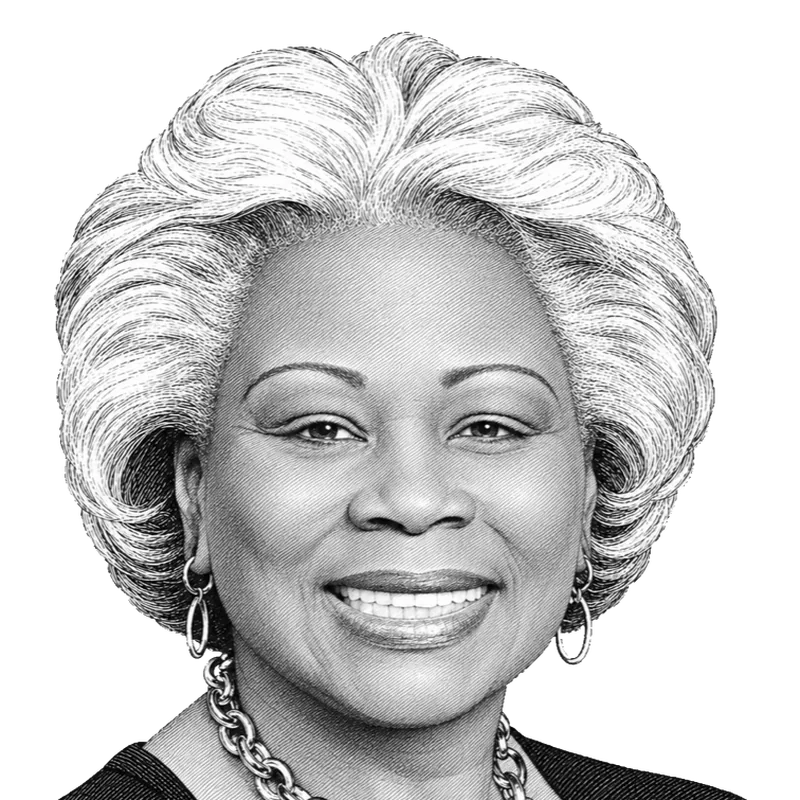
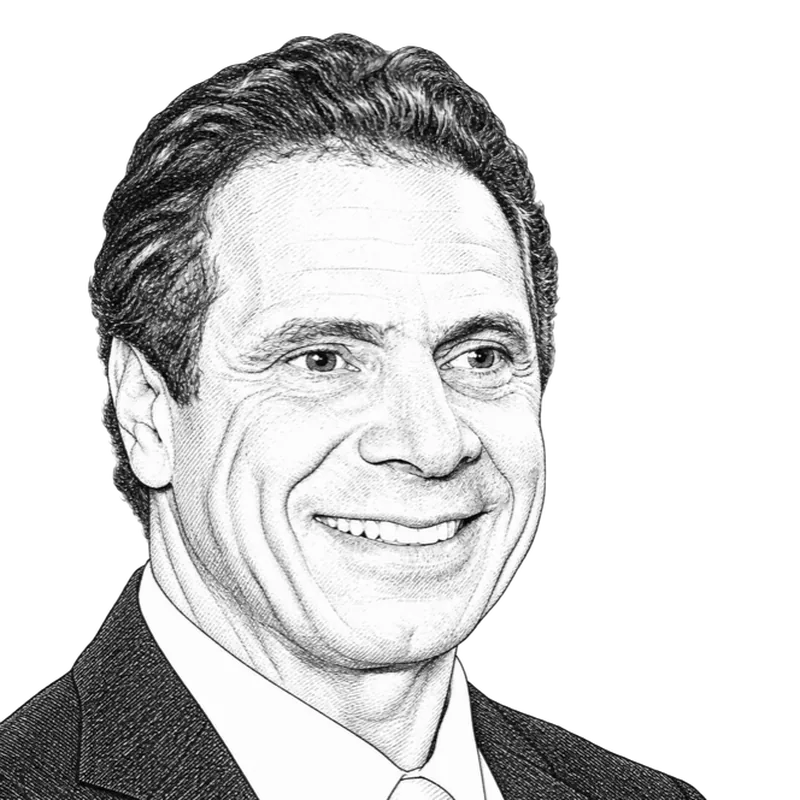
Sen. Michael Gianaris and Assembly Member Karines Reyes, a nurse during the pandemic, carried the bill in their chambers. Maritza Silva-Farrell of ALIGN helped lead the New York Essential Workers Coalition’s campaign, and more than 100 labor, community, and safety organizations backed the bill. It passed the Assembly 95–55 and the Senate 46–17, and Gov. Andrew Cuomo signed it on May 5, 2021. Changes made that June narrowed some of the rules for lawsuits. Gov. Kathy Hochul put the plans into effect that September.
Work and wagesSafetyHealth care
Sources
- A2681B, Prevents occupational exposure to an airborne infectious diseaseNew York State Senate, May 5, 2021
- A02681 floor votesNew York State Assembly, April 19, 2021
- Senate Deputy Leader Gianaris, Assembly Member Reyes announce Governor signs N.Y. HERO Act into lawOffice of Sen. Michael Gianaris, May 6, 2021
- Governor Kathy Hochul announces designation of COVID-19 as an airborne infectious disease under New York's HERO ActOffice of the Governor of New York, September 6, 2021
- New York enacts amendments clarifying employer obligations under the HERO ActNixon Peabody, June 28, 2021
- Airborne Infectious Disease Exposure Prevention PlanNew York State Department of Labor
- New York Labor Law § 27-d, Workplace safety committeesNew York State Senate
- After relentless organizing by essential workers and advocates, Governor Cuomo signs NY HERO Act into lawALIGN, May 6, 2021
How we checked this
Drafted by Claude Opus 5.5 (Anthropic) on November 11, 2026. Checked against its sources by GPT-5.6-sol (OpenAI) on November 12, 2026, which corrected it. Confirmed the law, vote totals, sponsors, signer, and current status against New York legislative and Labor Department records. Corrected the committee rule and refusal-right language, credited the named coalition leader, and replaced stale or inaccessible sources.
Spot a mistake? Send a correction and we'll fix it.