
What it means for you
Since the 2025–26 school year, every school participating in either federal meal program must serve free breakfast and lunch to all students, whatever their family earns. About 2.7 million students qualify.
Who benefits: About 2.7 million students at public, charter, and nonpublic schools participating in either federal school meal program, and their families.
If your child’s public, charter, or nonpublic school participates in the National School Lunch Program or School Breakfast Program, they can eat breakfast and lunch at school for free every day. Families don’t fill out an income form to get the meals. The law requires participating schools to serve both meals free to all students.
Before this, free meals depended on family income or on whether a school served enough low-income students to qualify for a federal program. Families just above the cutoff paid full price, and advocates say stigma kept some kids from eating and left parents with school meal debt. The state estimates free meals save families about $1,600 per child a year.
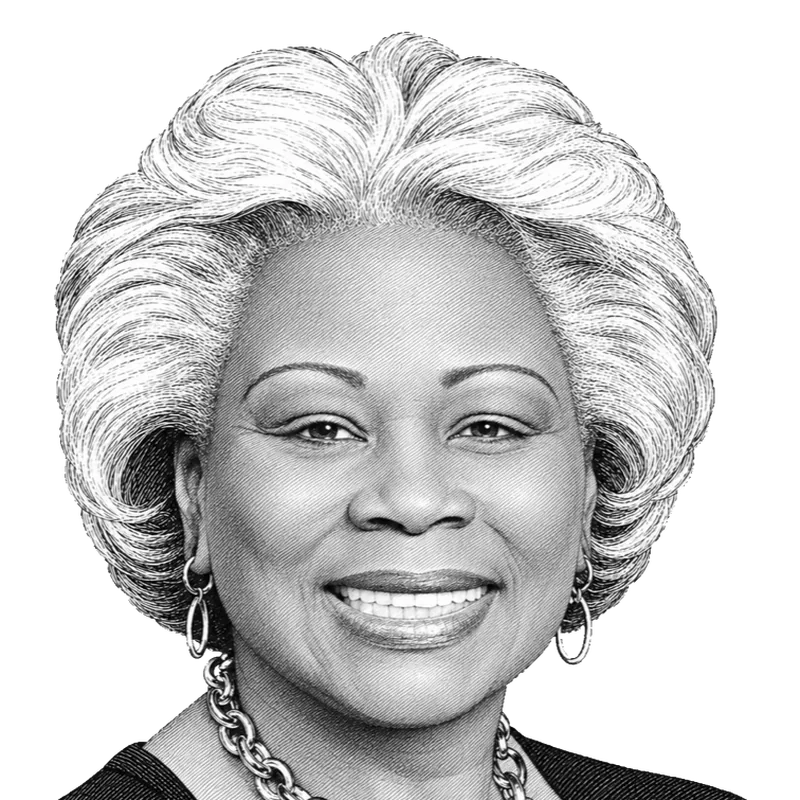
Sen. Michelle Hinchey and Assemblymember Jessica González-Rojas carried the Universal School Meals Act for more than two years, with advocates pushing alongside them. Assemblymember Sarahana Shrestha also championed the program. Gov. Kathy Hochul, who had left universal meals out of her 2023 budget, included the program in her 2025 budget proposal and signed it into law on May 9, 2025, with $340 million set aside for the first year. In the Senate, the budget bill that carried it passed 44–18, with four Republicans voting yes. Schools served 396 million free meals in the first school year, and the next year’s budget raised funding to $395 million.
FoodSchoolsLower costs
Sources
- Governor Hochul signs legislation to make historic education investments and promote distraction-free learningOffice of the Governor of New York, May 9, 2025
- Governor Hochul signs new legislation to cut taxes for middle class New YorkersOffice of the Governor of New York, May 9, 2025
- Governor Hochul announces 396 million free school meals served statewide in 2025-2026 school yearOffice of the Governor of New York, June 26, 2026
- DiNapoli says New York's school meal expansion may be at risk under federal changesOffice of the New York State Comptroller, October 15, 2026
- Hinchey, advocates and governor unite for universal school mealsNew York State Senate
- Pols 'disappointed' universal school meals not in Hochul's budgetSpectrum News, February 3, 2023
- Hinchey announces historic completion of universal school mealsNew York State Senate, May 12, 2025
- S3006C (2025), education, labor, housing and family assistance budget billNew York State Senate
How we checked this
Drafted by Claude Opus 5.5 (Anthropic) on November 11, 2026. Checked against its sources by GPT-5.6-sol (OpenAI) on November 11, 2026, which corrected it. Confirmed the law, impact figures, funding, both roll calls, and current operation. I corrected the program’s federal-meal-program scope, added a legislator whom a cited source identifies as a champion, and updated the status check.
Spot a mistake? Send a correction and we'll fix it.