What it means for you
Since Feb. 17, 2026, New York's main consumer protection law covers unfair and abusive business practices as well as deceptive ones. It is the law's first update in 45 years, and it lets the attorney general go after hidden fees, loan steering, and similar schemes.
Who benefits: New Yorkers, including small businesses, who deal with lenders, loan servicers, car dealers, debt collectors, insurers, health care companies, and other businesses.
New York’s main consumer protection law dates to 1970 and banned deceptive business practices, such as materially misleading claims or omissions. Unfair or abusive conduct that was not also deceptive could fall outside that law. Since February 17, 2026, the law also bans unfair practices: those that cause or are likely to cause substantial injury people cannot reasonably avoid, without enough benefit to consumers or competition to outweigh it. It also bans abusive practices that interfere with people’s understanding of terms or unreasonably take advantage of people who cannot protect their interests.
You don’t have to do anything to get this protection. The attorney general enforces the law and can sue to stop a practice and make the business pay people back. The attorney general’s office named examples: debt collectors taking seniors’ Social Security, car dealers holding your ID or charging for warranties you never bought, loan servicers steering borrowers into costlier plans, and insurers listing doctors who don’t take your plan. You can still sue on your own only over deceptive practices.
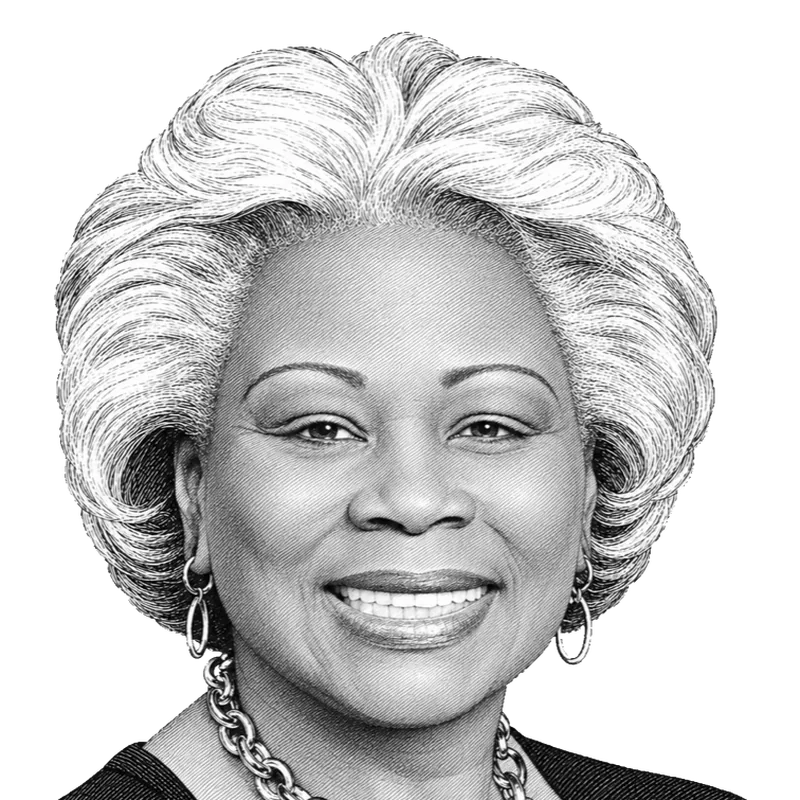
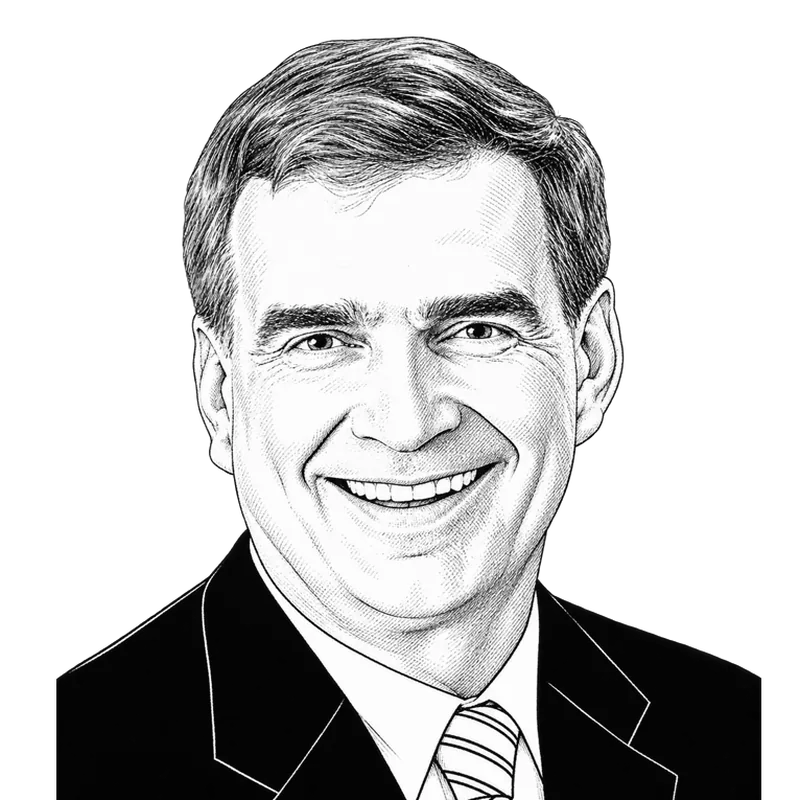
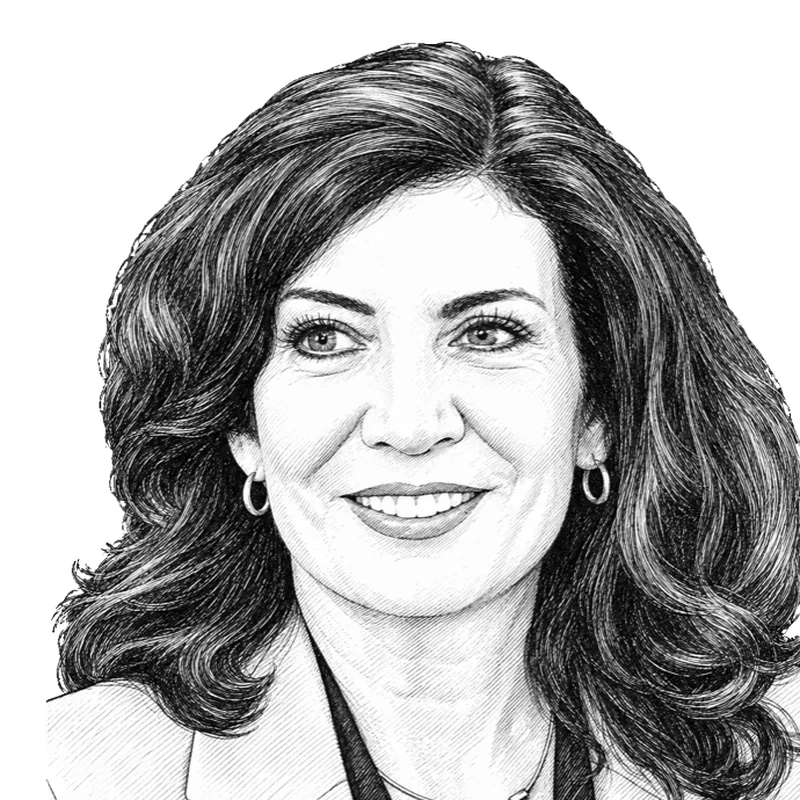
Attorney General Letitia James introduced the bill as an attorney general’s program bill and pushed for its passage. Sen. Leroy Comrie and Assemblymember Micah Lasher sponsored it, and it passed in June 2025. The Senate vote was 37–22, with all Republicans and one Democrat voting no. Gov. Kathy Hochul signed it on December 19, 2025. A follow-up law signed in March 2026 removed language extending the unfairness test to nonconsumer injuries and preserved the existing consumer-oriented standard, but kept the bans on unfair and abusive practices.
Lower costsRights
Sources
- S8416, FAIR Business Practices ActNew York State Senate
- Attorney General James, Senator Comrie, and Assemblymember Lasher Celebrate Signing of Historic Consumer Protection LawOffice of the New York State Attorney General, December 20, 2025
- A08427, actionsNew York State Assembly
- Governor Hochul Signs Chapter Amendment to the New York FAIR Business Practices ActHinshaw & Culbertson, April 2, 2026
How we checked this
Drafted by Claude Opus 5.5 (Anthropic) on November 11, 2026. Checked against its sources by GPT-5.6-sol (OpenAI) on November 11, 2026, which corrected it. Confirmed the enacted and amended statutes, sponsors, effective date, current status, and both final-passage votes. Corrected several overstatements about the old and new laws and accurately described the 2026 narrowing amendment.
Spot a mistake? Send a correction and we'll fix it.