What it means for you
Since Jan. 26, 2022, private New York employers can't punish employees, former employees, or individual contractors for protected reports of activity they reasonably believe is illegal or poses a specific public danger. Before, workers had to prove an actual violation.
Who benefits: Private-sector employees, former employees, and individual independent contractors in New York who make protected reports, provide information to a public-body investigation, or object to or refuse illegal or dangerous employer practices.
If you work for a private employer in New York and report activity you reasonably believe breaks the law or poses a substantial and specific danger to public health or safety, the employer can’t fire, demote, threaten, or otherwise punish you for it. Retaliation includes threatening to call immigration authorities. The protection covers former employees and individual independent contractors, including actions meant to hurt a former employee’s next job.
Before this law, private-sector employees generally had to prove an actual violation that created a substantial and specific public danger, or conduct that constituted health care fraud. Now a reasonable belief can be enough even if it turns out to be wrong. You don’t apply for the protection. If you report to a government agency or other public body, you generally must first make a good-faith effort to alert a supervisor and give the employer a reasonable chance to fix the problem; the law lists exceptions, including imminent serious danger, likely destruction of evidence, or risk of physical harm. If punished, you have two years to sue, can ask for a jury, and can seek reinstatement, lost pay, legal fees, and, for a willful, malicious, or wanton violation, punitive damages. Employers must post notice of these rights.
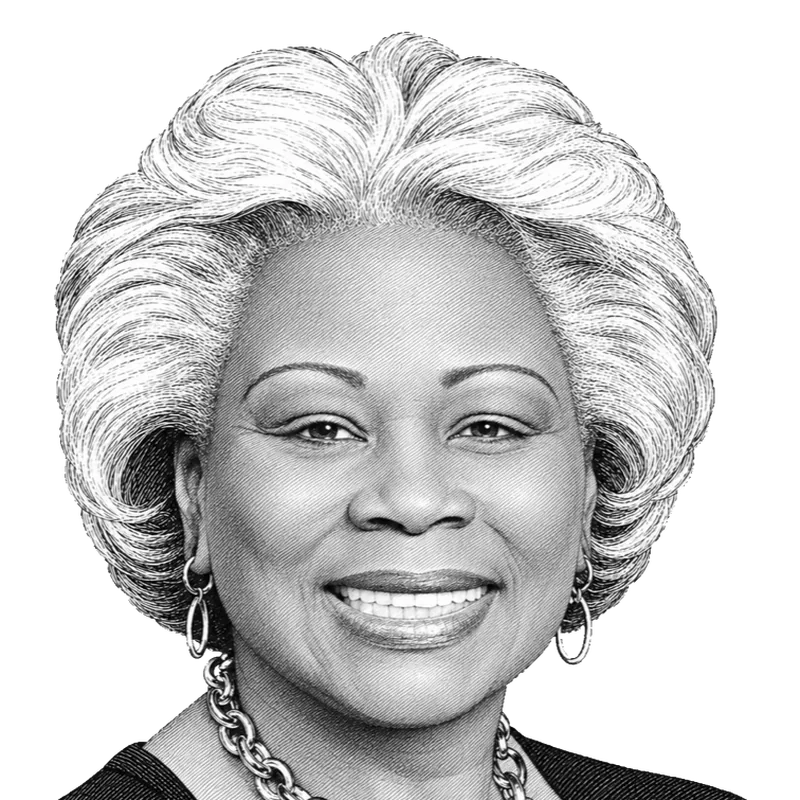
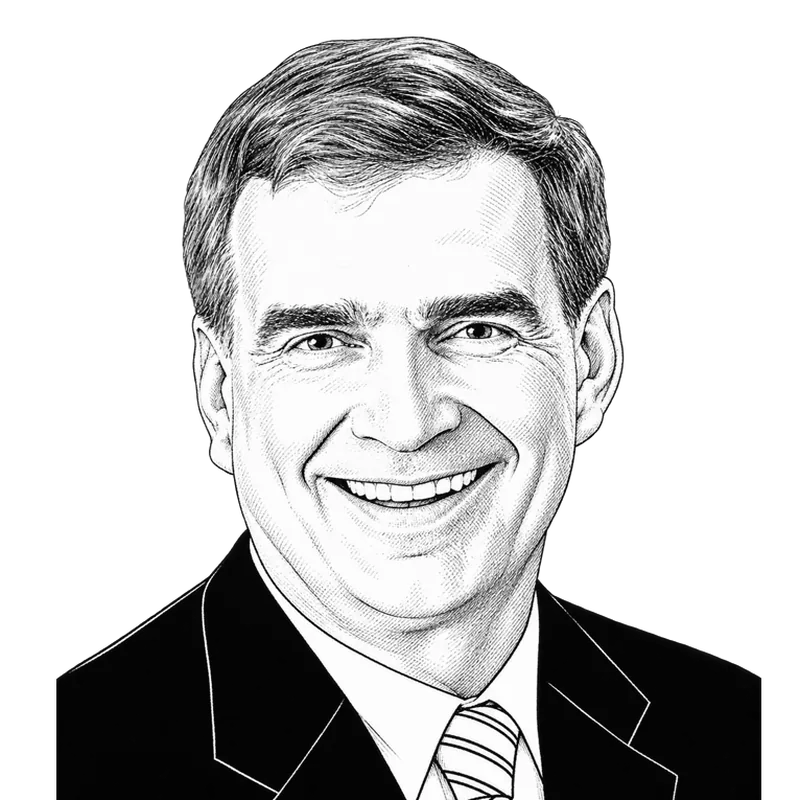
Assembly Member Michael Benedetto carried versions of the bill for years. Sen. Jessica Ramos sponsored it in the Senate, where Majority Leader Andrea Stewart-Cousins helped rally support; Assembly Members Jo Anne Simon and Phil Steck also worked to build support, backed by Speaker Carl Heastie. The Senate passed it 44–19 and the Assembly 110–38. Gov. Kathy Hochul signed it October 28, 2021; it took effect January 26, 2022.
Work and wagesRightsSafety
Sources
- Governor Hochul Signs Legislation Protecting Employees from RetaliationOffice of the Governor of New York, October 28, 2021
- Senate Bill S4394A (2021-2022 session)New York State Senate
- New York Dramatically Expands Whistleblower RightsLittler Mendelson
- New York Labor Law § 740New York State Senate
- The 30-year Quest to Protect WhistleblowersNational Employment Lawyers Association/New York
How we checked this
Drafted by Claude Opus 5.5 (Anthropic) on November 12, 2026. Checked against its sources by GPT-5.6-sol (OpenAI) on November 12, 2026, which corrected it. Confirmed the enacted text, current law, sponsors, signature, impact figures, and both final-passage votes. Added the law’s important internal-notice condition, corrected the legislative credit and history, and added the omitted Assembly vote.
Spot a mistake? Send a correction and we'll fix it.