
What it means for you
Since Jan. 1, 2022, people with private health coverage pay only their in-network share for most emergency care, air ambulances, and certain out-of-network services at in-network facilities. Uninsured and self-pay patients can get a good faith cost estimate.
Who benefits: People with private health insurance who get emergency care, air ambulance rides, or certain care from out-of-network clinicians at in-network hospitals and surgery centers, plus uninsured and self-pay patients seeking cost estimates.
A surprise medical bill is what happens when you get care from a doctor or hospital outside your insurance network without choosing to, often in an emergency, and then get billed for the difference. The No Surprises Act took patients out of the middle of those fights.
If you have private insurance, you now pay only your normal in-network share for most emergency care, even at an out-of-network hospital. The protection also covers air ambulance rides and certain non-emergency services from out-of-network clinicians at an in-network hospital or surgery center, including services such as anesthesiology and radiology. For some scheduled non-emergency care, an out-of-network provider can ask you to give up these protections, but only after giving you notice and getting your consent. Providers and health plans settle covered payment disputes between themselves; since April 2022, they have initiated millions of disputes in the federal arbitration system. If you’re uninsured or paying yourself, you can usually get a good faith estimate before scheduled care. You don’t have to sign up for these protections.
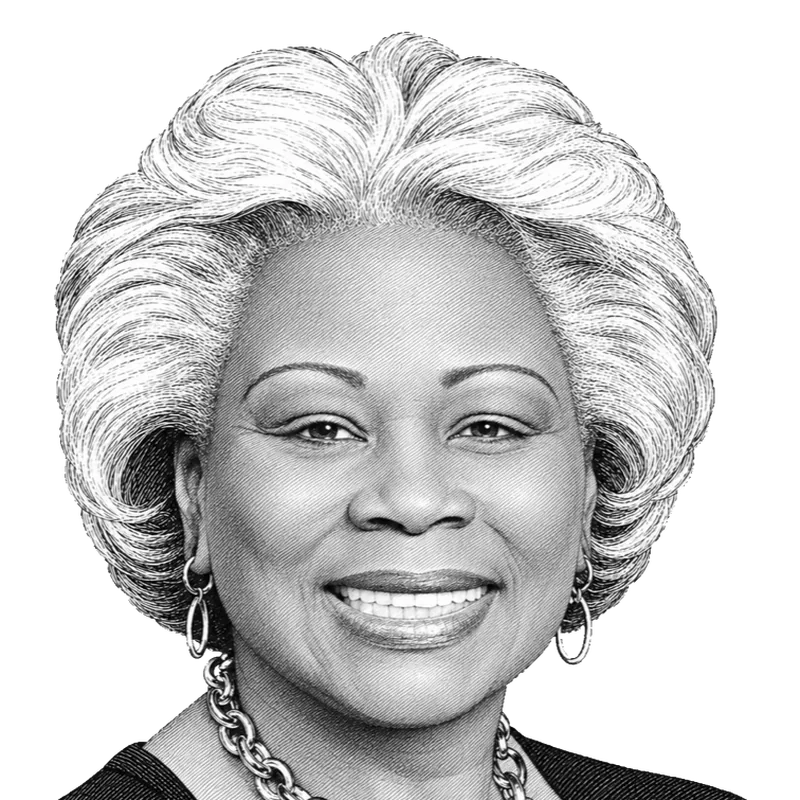
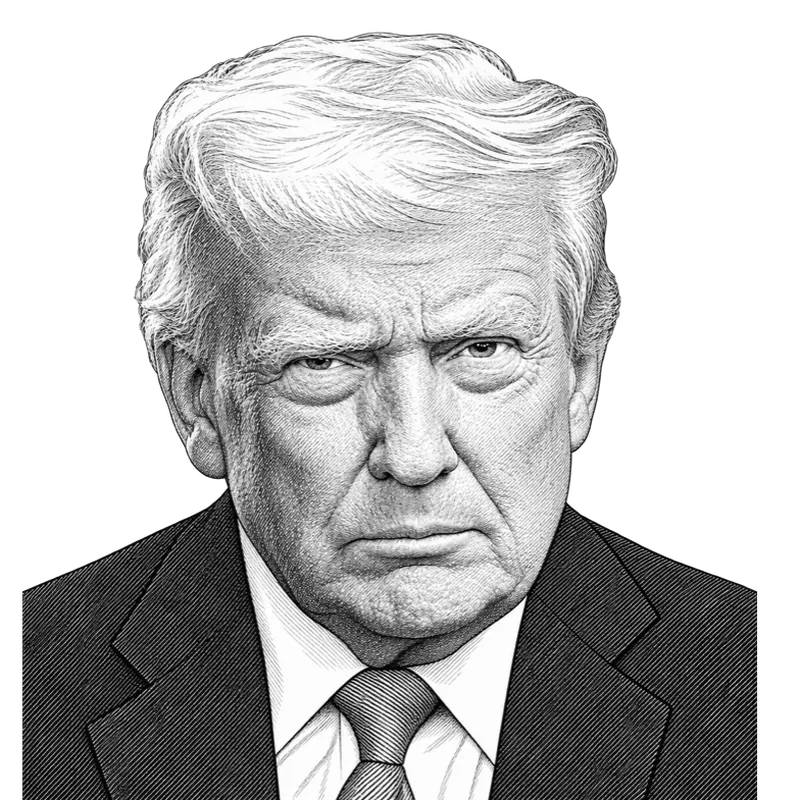
Republican Sen. Bill Cassidy started a bipartisan push in 2018, and Democratic Sen. Maggie Hassan joined him to lead it. Senator Patty Murray brokered the final deal, which was negotiated by Republican and Democratic committee leaders and lawmakers from the House and Senate. Congress folded it into a year-end spending and COVID relief package that passed with large majorities, and President Donald Trump signed it on December 27, 2020.
Health careLower costs
Sources
- No Surprises: Understand your rights against surprise medical billsCenters for Medicare & Medicaid Services
- Public Law 116-260, Consolidated Appropriations Act, 2021GovInfo
- Federal Independent Dispute Resolution reportsCenters for Medicare & Medicaid Services
- Murray bill to end surprise billing passes Senate and HouseU.S. Senate Committee on Health, Education, Labor and Pensions, December 22, 2020
- Cassidy, bipartisan colleagues release draft legislation to end surprise medical billsOffice of Sen. Bill Cassidy, September 18, 2018
- Senators Cassidy, Hassan secure end to surprise medical billing legislation in government funding packageOffice of Sen. Bill Cassidy, December 20, 2020
How we checked this
Drafted by Claude Opus 5.5 (Anthropic) on November 11, 2026. Checked against its sources by GPT-5.6-sol (OpenAI) on November 11, 2026, with no problems found. Confirmed the consumer protections, enactment and effective dates, 7.8 million dispute figure, credited negotiators, and both official roll calls. The protections remain in effect as of today.
Spot a mistake? Send a correction and we'll fix it.