What it means for you
The 2021 infrastructure law added $550 billion in federal money over five years for roads, bridges, transit, clean water, and high-speed internet. That included $15 billion to replace lead pipes that carry drinking water into homes.
Who benefits: People who drive, ride transit, or drink tap water across the country, plus the more than 23 million low-income households that got an internet discount through the law's Affordable Connectivity Program.
This law sent new federal money to states and cities for five years to fix roads, bridges and transit, clean up drinking water, and bring high-speed internet to more homes. It included $15 billion to find and replace lead pipes, which can leach lead into tap water. States distribute that money through drinking water funds, and 49% goes to disadvantaged communities, as each state defines them, as grants or forgivable loans. You do not apply; your water utility, transit agency, or state does.
The law also created the Affordable Connectivity Program, which took up to $30 a month off internet bills for low-income households, or $75 on tribal lands. More than 23 million households signed up. Congress did not add money when the $14.2 billion ran out, and the program ended June 1, 2024.
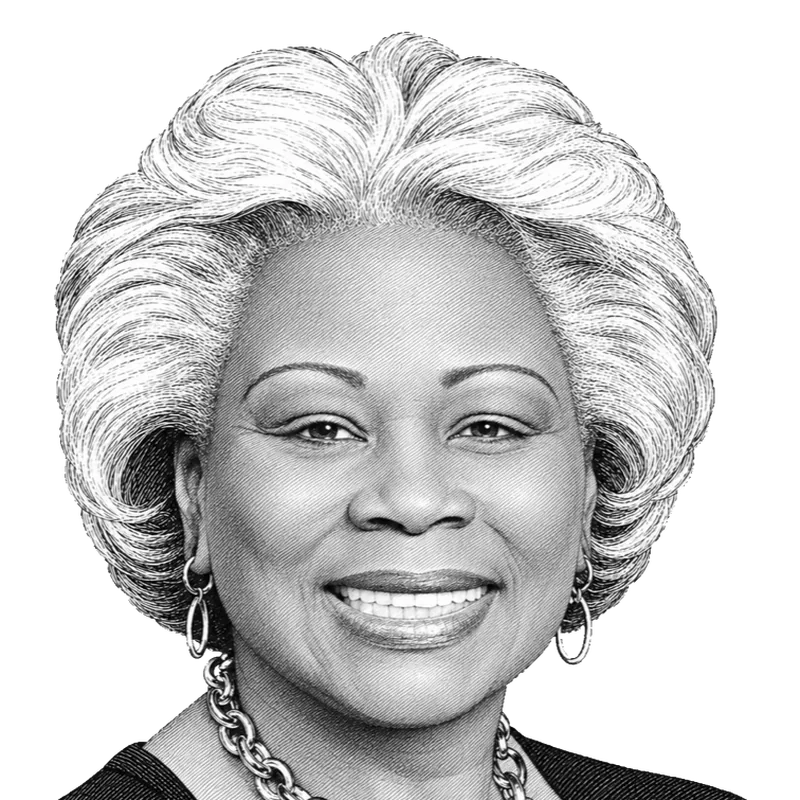
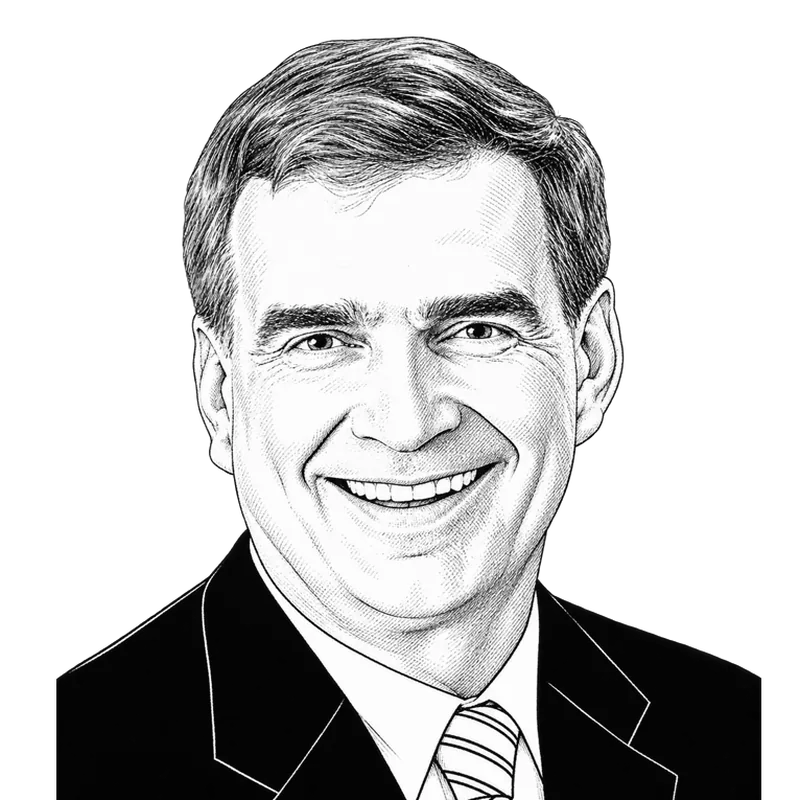
A ten-senator group led by Rob Portman, a Republican, and Kyrsten Sinema, a Democrat, wrote the deal. Bill Cassidy, Susan Collins, Joe Manchin, Lisa Murkowski, Mitt Romney, Jeanne Shaheen, Jon Tester, and Mark Warner also negotiated it. It passed the Senate 69–30, with 19 Republicans voting yes, and the House 228–206. The Senate deal went into Rep. Peter DeFazio’s bill; President Joe Biden negotiated with the group and signed it on November 15, 2021. Congress partly paid for the law by rescinding $41.8 billion in unobligated COVID relief and adopting new revenue measures, including cryptocurrency broker reporting. CBO still estimated that it would add $256 billion to deficits through 2031. Congress did not renew the five annual rounds of advance appropriations after fiscal 2026, but projects already funded are still being built, including broadband networks expected to finish in 2030 and beyond.
Roads and waterInternetHealth care
Where it stands, and how we know
Behind the effort to end it: Donald Trump (R).
Source for this status, checked November 11, 2026.
Sources
- Public Law 117-58, Infrastructure Investment and Jobs ActU.S. Government Publishing Office, November 15, 2021
- H.R. 3684, Infrastructure Investment and Jobs ActCongress.gov
- Fact Sheet: The Bipartisan Infrastructure DealThe White House, November 6, 2021
- Identifying Federal Funding Sources for Lead Service Line ReplacementU.S. Environmental Protection Agency
- Senate passes $1 trillion infrastructure bill in strong bipartisan voteCBS News, August 10, 2021
- Cost Estimate for Senate Amendment 2137 to H.R. 3684Congressional Budget Office, August 9, 2021
- Senator Collins and Other Lead Negotiators Release Joint Statement on PassageOffice of U.S. Senator Susan Collins, August 10, 2021
- The End of the Affordable Connectivity Program: Options for Consumers and CongressCongressional Research Service, May 13, 2025
- 2026 Lead Pipe Funding: What the Final Round of IIJA RevealsEnvironmental Policy Innovation Center, June 1, 2026
- Federal Policy Changes Affecting MDOTMichigan Department of Transportation
- Funding Status: Infrastructure Investment and Jobs Act and Inflation Reduction ActU.S. Government Accountability Office, July 22, 2026
- Broadband Deployment: Agencies Should Take Steps to Better Target Underserved Areas and Consider SustainabilityU.S. Government Accountability Office
How we checked this
Drafted by Claude Opus 5.5 (Anthropic) on November 11, 2026. Checked against its sources by GPT-5.6-sol (OpenAI) on November 11, 2026, which corrected it. Confirmed the enacted amounts, ACP end date, and both official roll calls. Corrected the financing and mixed 2026 status, added missing negotiators, and replaced weak status evidence with current government sources.
Spot a mistake? Send a correction and we'll fix it.