What it means for you
From April through December 2020, covered private employers with fewer than 500 workers and public agencies had to provide paid leave for specified COVID-19 reasons. Eligible parents could get up to 12 weeks when a school or child-care provider closed.
Who benefits: Employees of private employers with fewer than 500 workers and of certain public agencies; employers could exclude health care providers and emergency responders, and some small businesses could be exempt from child-care leave.
When COVID-19 hit, many workers had to choose between staying home sick and getting paid. This law changed that from April through December 2020. If you worked for a private employer with fewer than 500 employees, or for many public agencies, you could take up to 80 hours of paid sick leave when you could not work or telework for qualifying reasons, including a COVID-19 quarantine order, medical advice to self-quarantine, symptoms while seeking a diagnosis, or caring for an individual under an isolation order or advice to self-quarantine. Eligible parents whose child’s school or care closed could get up to 12 weeks at two-thirds pay: two weeks of paid sick leave followed by up to 10 weeks of expanded family leave.
You didn’t apply to the government; you asked your employer. Private employers could use refundable federal tax credits to cover the required pay, but government employers could not claim those 2020 credits. Employers could exclude health care providers and emergency responders, and some businesses with fewer than 50 employees could claim an exemption from school-closure leave. The law also made COVID-19 testing free and added food aid and unemployment money.
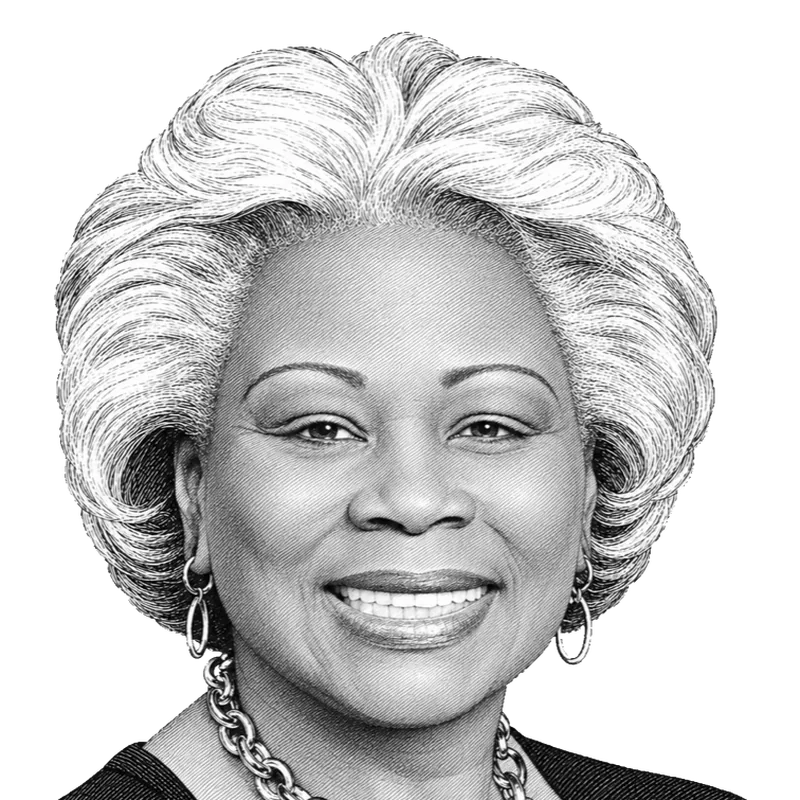
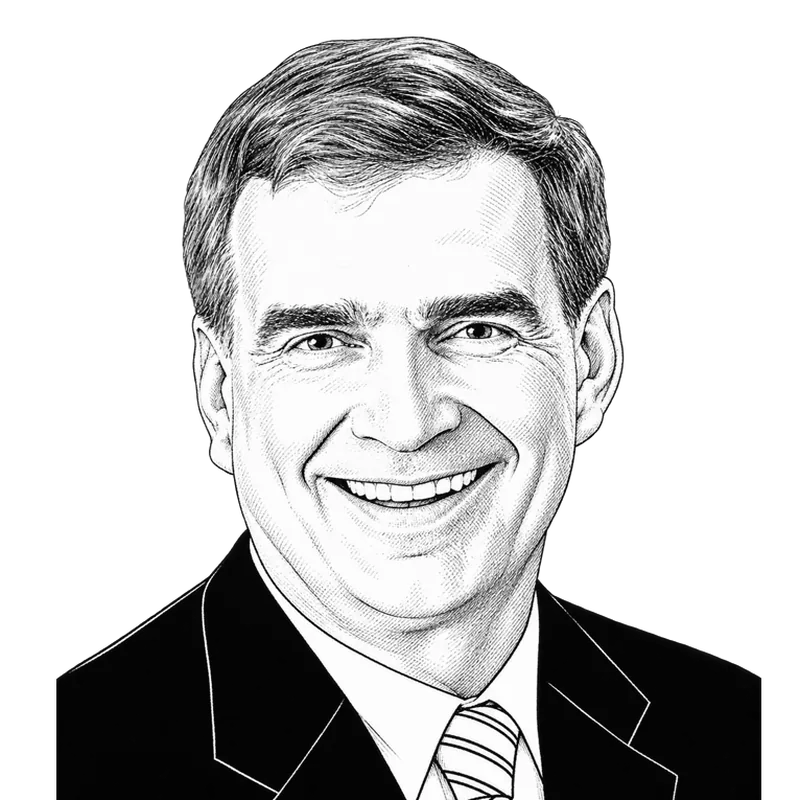
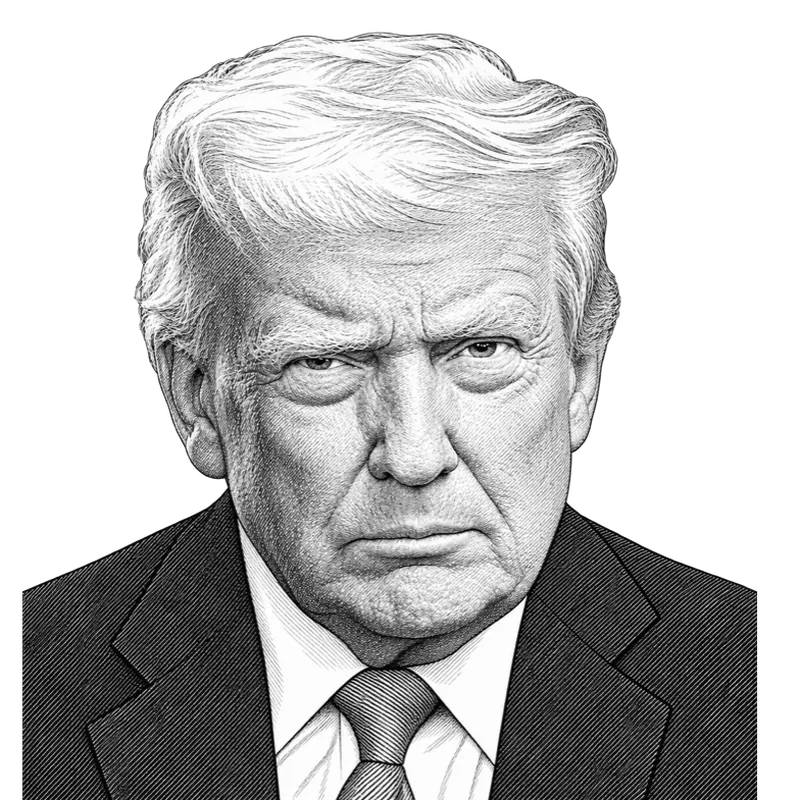
Rep. Rosa DeLauro and Sen. Patty Murray had pushed for paid sick days since 2004, and emergency sick-leave legislation they led was included in this law. Rep. Nita Lowey sponsored the bill, and House Speaker Nancy Pelosi negotiated the final deal with Treasury Secretary Steven Mnuchin. Large majorities of both parties voted for it: 363–40 in the House and 90–8 in the Senate. President Donald Trump signed it on March 18, 2020. The requirement to give leave ended Dec. 31, 2020.
Work and wagesHealth careChild care
Where it stands, and how we know
Source for this status, checked November 11, 2026.
Sources
- H.R. 6201, Families First Coronavirus Response ActCongress.gov
- The Families First Coronavirus Response Act Leave Provisions (IF11487)Congressional Research Service, April 2, 2020
- Payroll Tax Credit for COVID-19 Sick and Family Leave (IF11739)Congressional Research Service, April 1, 2021
- Paid Sick Leave in the United States (R48921)Congressional Research Service, April 28, 2026
- House passes Families First Coronavirus Response Act (H.R. 6201) with support from Trump Administration after chaotic day of negotiationsEY Tax News, March 15, 2020
- Van Hollen, Murray, DeLauro introduce new emergency paid sick days legislationOffice of Sen. Chris Van Hollen, March 12, 2020
- DeLauro votes for Families First Coronavirus Response ActOffice of Rep. Rosa DeLauro, March 14, 2020
- House passes Families First Coronavirus Response ActHouse Appropriations Committee Democrats, March 14, 2020
How we checked this
Drafted by Claude Opus 5.5 (Anthropic) on November 11, 2026. Checked against its sources by GPT-5.6-sol (OpenAI) on November 11, 2026, which corrected it. Confirmed the law, both roll calls, impact figures, and expiration. Corrected eligibility, reimbursement, exemptions, family-leave wording, and credit; the existing Steven Mnuchin official record also needs its party changed to R.
Spot a mistake? Send a correction and we'll fix it.